This post is part of the Floral Friday Fotos meme


A place where I post a photo each day, which you can download and use as a desktop image. These are all my original photos and you are welcome to use them for your personal purposes. If you wish to use them commercially, please contact me.
This post is part of the Wordless Wednesday meme,
and also part of the My Corner of the World meme,
and also part of the Nature Notes meme.


Wattles in bloom in Melbourne, by the shores of a suburban creek.
This post is part of the Wordless Wednesday meme
and also part of the My Corner of the World meme
and also part of the Nature Notes meme

Valencia on the east coast of Spain, is the capital of the autonomous community of Valencia and the third-largest city in Spain after Madrid and Barcelona, with around 800,000 inhabitants in the administrative centre. Its urban area extends beyond the administrative city limits with a population of around 1.5–1.6 million people.
The Port of Valencia is the 5th busiest container port in Europe and the busiest container port on the Mediterranean Sea. The city is ranked at Gamma+ in the Globalization and World Cities Research Network. Valencia is integrated into an industrial area on the Costa del Azahar (Orange Blossom Coast).
This post is part of the Travel Tuesday meme

The Australian native Crested Pigeon (Ocyphaps lophotes).
This post is part of the Saturday Critters meme

The Church of St. John Baptist, Cirencester is a parish church in the Church of England in Cirencester, Gloucestershire, England. It is a Grade I listed building. The building reflects architectural styles since the 12th century. The chancel and attached chapel represent the oldest part with the nave having been rebuilt twice and the tower added in the 15th century. The south porch was built by Cirencester Abbey around 1480 and only connected to the church in the 18th century. It is built of Cotswold stone and is one of the largest parish churches in England. It contains various tombs and monuments with some fragments of medieval stained glass and wall paintings.
This post is part of the Travel Tuesday meme,
and also part of the Ruby Tuesday meme.

This post is part of the Wordless Wednesday meme,
and also part of the My Corner of the World meme,
and also part of the Nature Notes meme.
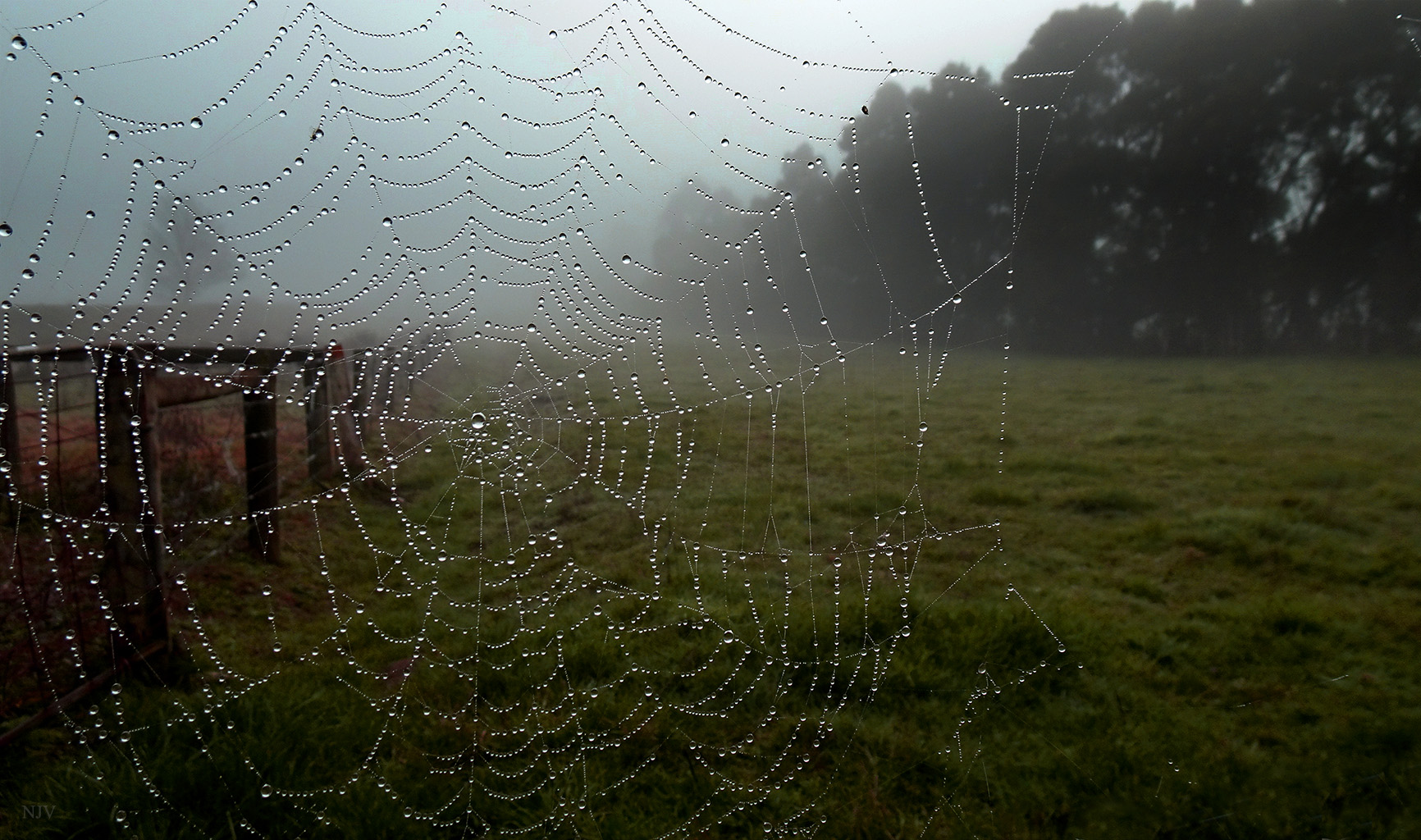
This post is part of the Mosaic Monday meme,
and also part of the Blue Monday meme,
and also part of the Seasons meme.

The Eiffel Tower (French: tour Eiffel) is a wrought iron lattice tower on the Champ de Mars in Paris, France. It is named after the engineer Gustave Eiffel, whose company designed and built the tower. Constructed in 1889 as the entrance to the 1889 World’s Fair, it was initially criticised by some of France's leading artists and intellectuals for its design, but has become a global cultural icon of France and one of the most recognisable structures in the world.
The tower is the tallest structure in Paris and the most-visited paid monument in the world: 6.98 million people ascended it in 2011. The tower received its 250 millionth visitor in 2010. The tower is 324 metres tall, about the same height as an 81-storey building. Its base is square, 125 metres on a side. During its construction, the Eiffel Tower surpassed the Washington Monument to become the tallest man-made structure in the world, a title it held for 41 years until the Chrysler Building in New York City was built in 1930. Due to the addition of the aerial at the top of the tower in 1957, it is now taller than the Chrysler Building by 5.2 metres. Not including broadcast aerials, it is the second-tallest structure in France, after the Millau Viaduct.
The tower has three levels for visitors, with restaurants on the first and second. The top level’s upper platform is 276 m above the ground, the highest accessible to the public in the European Union. Tickets can be purchased to ascend by stairs or lift to the first and second levels. The climb from ground level to the first level is over 300 steps, as is the climb from the first level to the second. Although there is a staircase to the top level, it is usually only accessible by lift.
This is part of the Travel Tuesday meme.


A taste of Spring today as we had sunshine and a temperature climbing to the mid-teens.
This post is part of the My Sunday Best meme


This post is part of the Mosaic Monday meme,
and also part of the Blue Monday meme,
and also part of the Seasons meme.


